Get a Free Consultation
Our medical team replies within 24 hours
Overview
India's neurosurgery centers combine microsurgical and image-guided techniques with dedicated neuro-ICUs, giving international patients access to advanced brain tumor and stroke care without the long specialist waitlists common abroad.
Procedures We Offer
Brain Tumor Surgery
Brain tumor surgery involves the surgical removal of an abnormal growth of tissue within the skull, which may be benign or malignant, and is performed when a tumor is…
View MoreBrain Cancer Treatment
Brain cancer treatment refers to the coordinated management of malignant tumors arising in the brain, either primary tumors originating in brain tissue or secondary tu…
View MorePituitary Tumor Surgery
Pituitary tumor surgery removes abnormal growths on the pituitary gland, a small hormone-producing structure located at the base of the brain behind the nose, which ca…
View MoreEndoscopic Brain Surgery
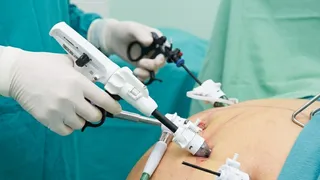
Endoscopic brain surgery is a minimally invasive neurosurgical technique that uses a thin, rigid or flexible endoscope fitted with a camera and light source to access…
View MoreBrain Aneurysm Treatment
A brain aneurysm is a weakened, bulging area in the wall of a blood vessel within the brain that carries a risk of rupture and life-threatening bleeding, and treatment…
View MoreBrain Stroke Management
Brain stroke management covers the urgent diagnosis and treatment of a stroke, which occurs either when a blood clot blocks an artery supplying the brain, known as an…
View MoreEpilepsy Treatment
Epilepsy treatment addresses a neurological condition characterized by recurrent, unprovoked seizures caused by abnormal electrical activity in the brain, and manageme…
View MoreGamma Knife Surgery
Gamma Knife surgery is a form of stereotactic radiosurgery that treats brain tumors, vascular abnormalities, and certain functional brain disorders without any incisio…
View MoreCyberKnife Radiation Treatment
CyberKnife is a robotic radiosurgery system used to deliver precisely targeted, high-dose radiation to tumors and other abnormal tissue in the brain and spine without…
View MoreStereotactic Radiosurgery
Stereotactic radiosurgery is a general term for a group of techniques, including Gamma Knife and CyberKnife systems, that deliver a highly focused dose of radiation to…
View MoreDeep Brain Stimulation
Deep brain stimulation, or DBS, is a surgical treatment in which thin electrodes are implanted into specific, deep regions of the brain that regulate movement, such as…
View MoreCortical Stimulation Surgery
Cortical stimulation surgery involves placing electrodes directly on or just beneath the surface of the brain's outer layer, the cerebral cortex, to deliver controlled…
View MoreParkinson's Disease Treatment
Parkinson's disease treatment focuses on managing the motor and non-motor symptoms of this progressive neurological condition, which results from the gradual loss of d…
View MoreVagus Nerve Stimulation (VNS)
Vagus nerve stimulation, or VNS, is a treatment in which a small device resembling a pacemaker is implanted under the skin of the upper chest and connected by a thin w…
View MorePeripheral Nerve Surgery
Peripheral nerve surgery treats injuries or disorders affecting the nerves that run outside the brain and spinal cord, carrying signals to and from the limbs, face, an…
View MoreNeuritis Treatment
Neuritis refers to inflammation of a nerve or group of nerves, which can cause pain, numbness, tingling, weakness, or loss of function in the area the affected nerve s…
View MoreSchizophrenia Treatment
Schizophrenia is a chronic psychiatric condition that affects a person's thinking, perception, and behavior, and can involve symptoms such as hallucinations, delusions…
View MoreBaclofen Pump Implant
A baclofen pump implant is a surgically placed device that delivers the muscle relaxant baclofen directly into the fluid surrounding the spinal cord, known as the intr…
View MoreMorphine Pump Implant
A morphine pump implant, also known as an intrathecal drug delivery system, is a surgically placed device that delivers small, continuous doses of morphine or another…
View MoreHigh Cervical Stimulation
High cervical stimulation refers to the surgical placement of a spinal cord stimulator device at the upper level of the cervical spine, close to the base of the skull,…
View MorePackage Cost & Hospital Stay
Package starts from $9,000 — plan for approximately 24 days in India from arrival to discharge and follow-up.
| Country | Estimated Cost | Wait Time | Success Rate |
|---|---|---|---|
| USA | USD 100,000 – 180,000 | 4–8 weeks | 85–90% |
| UK | USD 45,000 – 70,000 | 3–9 months (NHS) | 85–90% |
| Germany | USD 40,000 – 60,000 | 4–8 weeks | 84–89% |
| Thailand | USD 20,000 – 30,000 | 2–4 weeks | 82–87% |
| India | USD 9,000 – 14,000 | 1–2 weeks | 85%+ |
Package Inclusions
- Pre-operative neurological evaluation, MRI/CT review, and fitness clearance
- Neurosurgeon's and anesthetist's fees for the primary procedure
- Operation theatre charges including neuro-navigation where applicable
- Neuro-ICU stay (4 days) plus 8 days in a step-down room
- Nursing care and standard neuro-monitoring during hospitalization
- Laboratory and radiology charges tied to the procedure
- Discharge summary with a structured neuro-rehabilitation plan
Package Exclusions
- Pre-admission stay to stabilize a patient before surgery clears for the OT
- Hospital or ICU stay beyond the package duration
- Radiotherapy or chemotherapy for malignant tumors, priced separately
- Outpatient neuro-rehabilitation sessions after discharge
- Treatment for unrelated conditions identified during pre-op screening
- Re-operation for complications unrelated to the original procedure
Every case is different — the figures above are indicative starting points for brain tumor resection. Share your medical reports for a personalized, itemized quote.
Ready to get started with neurology & neurosurgery?
Share your medical reports and receive a personalized treatment plan within 24 hours.